Most people believe they sleep “okay enough.”
But when you look at the data — and the long-term effects — the truth is unsettling:
More than 40% of adults consistently sleep poorly, and most don’t realize how deeply it affects their mood, focus, energy, metabolism, and overall well-being.
This article explains why your sleep might be worse than you think, the hidden habits that silently sabotage your rest, and the science-backed steps that can help you get genuinely restorative sleep again.
1. You Think You Sleep 7 Hours — But You Don’t
Most adults overestimate their sleep by 45–60 minutes.
Why?
Because your brain counts time in bed as time sleeping — but those aren’t the same thing.
You lose sleep time through:
- falling asleep slowly
- waking up during the night
- light sleep instead of deep sleep
- early-morning micro-awakenings you don’t remember
If you’re in bed for eight hours, you may actually sleep 6 hours or less.
And that difference affects everything: cognitive function, metabolism, mood, recovery, memory, and energy.
What to do:
Create a consistent bedtime window — the brain loves regularity — and track your sleep for a week (your phone’s basic data is enough). Awareness creates the first breakthrough.
2. Your Bedroom Environment Is Probably Working Against You
Sleep is highly sensitive to surroundings.
Even small disruptions can reduce both sleep duration and quality.
Most common hidden enemies:
- Light leakage (hall light, electronics, street lamps)
- Bedroom temperature too high
- Noise peaks you don’t consciously notice
- Mattress or pillow discomfort
- Air quality and humidity
Ideal sleep conditions:
- Pitch-black darkness
- Cool temperature (18–20°C)
- Low noise or consistent white noise
- Comfortable bedding that supports your body
- Minimal electronics
Your bedroom should do one thing:
Help your brain switch into deep rest mode.
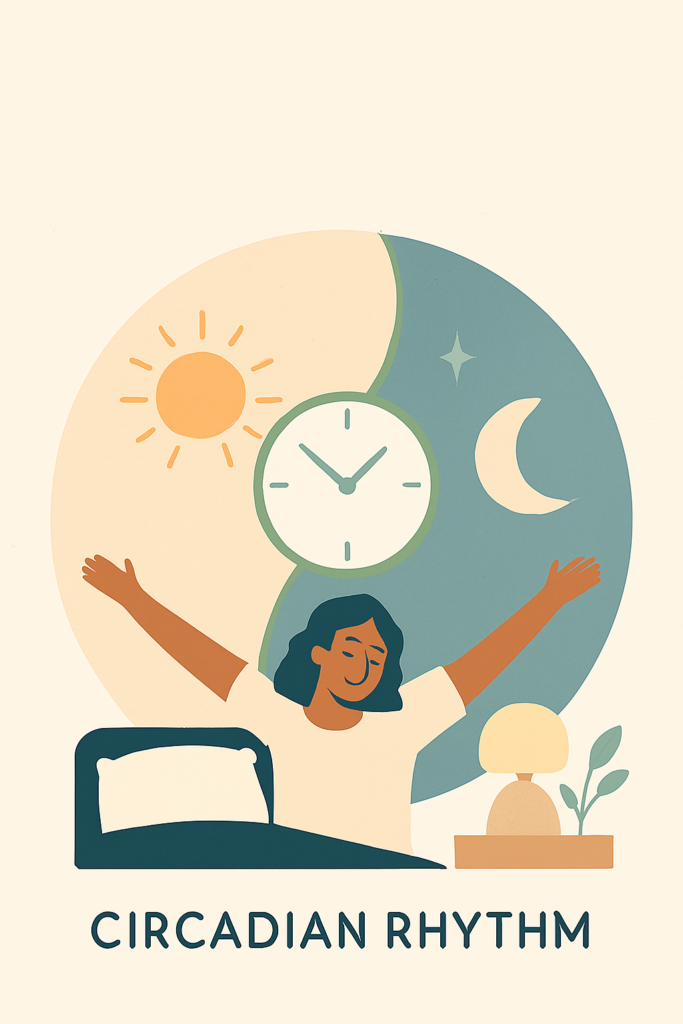
3. Your Circadian Rhythm Is Out of Sync
Your body runs on a 24-hour internal clock. When this rhythm is disrupted, even good habits don’t work well.
You may feel the impact if:
- you sleep and wake at inconsistent times
- you use screens until late
- you miss morning sunlight
- you eat late at night
- you drink caffeine afternoon or evening
These factors make your brain release melatonin too late, delaying your natural sleep process.
The fix:
- Get 5–10 minutes of morning light every day.
- Keep sleep/wake times within a 1-hour range.
- Dim lights 1–2 hours before bed.
- Avoid caffeine 8 hours before sleep.
Small consistency → big gains.
4. You Confuse “Tired Body” With “Tired Mind”
Many people feel exhausted, but not sleepy.
That’s because mental fatigue ≠ biological sleepiness.
You may recognize this:
- your mind races
- you feel wired even when physically tired
- you can’t shut down thoughts at night
Mental exhaustion comes from overstimulation and stress, not lack of sleep.
Solution:
Create a pre-sleep shutdown ritual:
- low light
- warm shower
- stretching
- reading
- journaling
- avoiding screens
- choosing slow activities that quiet the mind
Your body needs signals that “the day is ending.”
5. You Don’t Realize How Much Food and Drinks Affect Sleep
Late-night eating disrupts:
- digestion
- heart rate
- body temperature
- melatonin release
Sugary foods or heavy meals delay sleep by up to 90 minutes.
Caffeine is a huge culprit — especially hidden caffeine in:
- chocolate
- teas
- supplements
- “decaf” coffee (which still contains caffeine)
And alcohol, although it makes you fall asleep faster, reduces REM sleep, causing shallow, low-quality rest.
Guidelines:
- Last meal: 2–3 hours before bed
- Caffeine cutoff: 2 pm or earlier
- Alcohol: avoid 3 hours before sleep
Small adjustments can improve rest dramatically.
6. You Underestimate the Power of Stress on Sleep Quality
When your body is stressed, it produces cortisol — and cortisol blocks deep sleep.
Signs stress is hurting your sleep:
- waking up at 2–4 am
- shallow breathing
- vivid or restless dreams
- tension in chest or jaw
- feeling tired even after sleeping long
What helps:
- slow breathing (4-6 pattern)
- mindfulness exercises
- gratitude journaling
- progressive muscle relaxation
- writing down tomorrow’s tasks
Stress relief before bedtime is more impactful than most people imagine.
7. You Treat Weekends Like a Different Time Zone
Going to bed late on weekends and waking up late creates social jet lag — the same effect as flying across time zones.
On Monday, your body thinks it’s still in another region.
That’s why you feel heavy, foggy, or unmotivated.
Fix:
Try to keep your weekend sleep times within 1 hour of your weekday schedule.
Your future self will thank you.
8. The Most Important Rule: Better Sleep Starts During the Day
Great sleep is not created at night —
it’s created during the day.
Your daytime behavior sets your nighttime quality.
What improves sleep:
- exposure to daylight
- movement and light exercise
- hydration
- balanced meals
- breaks from work
- lowering stress
- keeping consistent rhythms
Better days → better nights → better mornings.
9. Simple Steps You Can Start Tonight
If you want to sleep noticeably better within 48 hours, try this:
- Dim all lights after 8 pm.
- Avoid screens 60 minutes before bed.
- Use a warm shower to lower body temperature afterward.
- Read or journal for 10 minutes.
- Set a consistent bedtime alarm (not only a wake-up alarm).
- Keep your bedroom cool and dark.
These habits work shockingly fast.
Final Thoughts
Most people don’t sleep as well as they think — not because they’re doing everything wrong, but because modern life creates conditions that make quality sleep difficult.
The good news:
Small, intentional changes can completely transform your nights.
Better sleep leads to better energy, better mood, better thinking, and a better life.
Start small tonight — and watch the difference unfold.