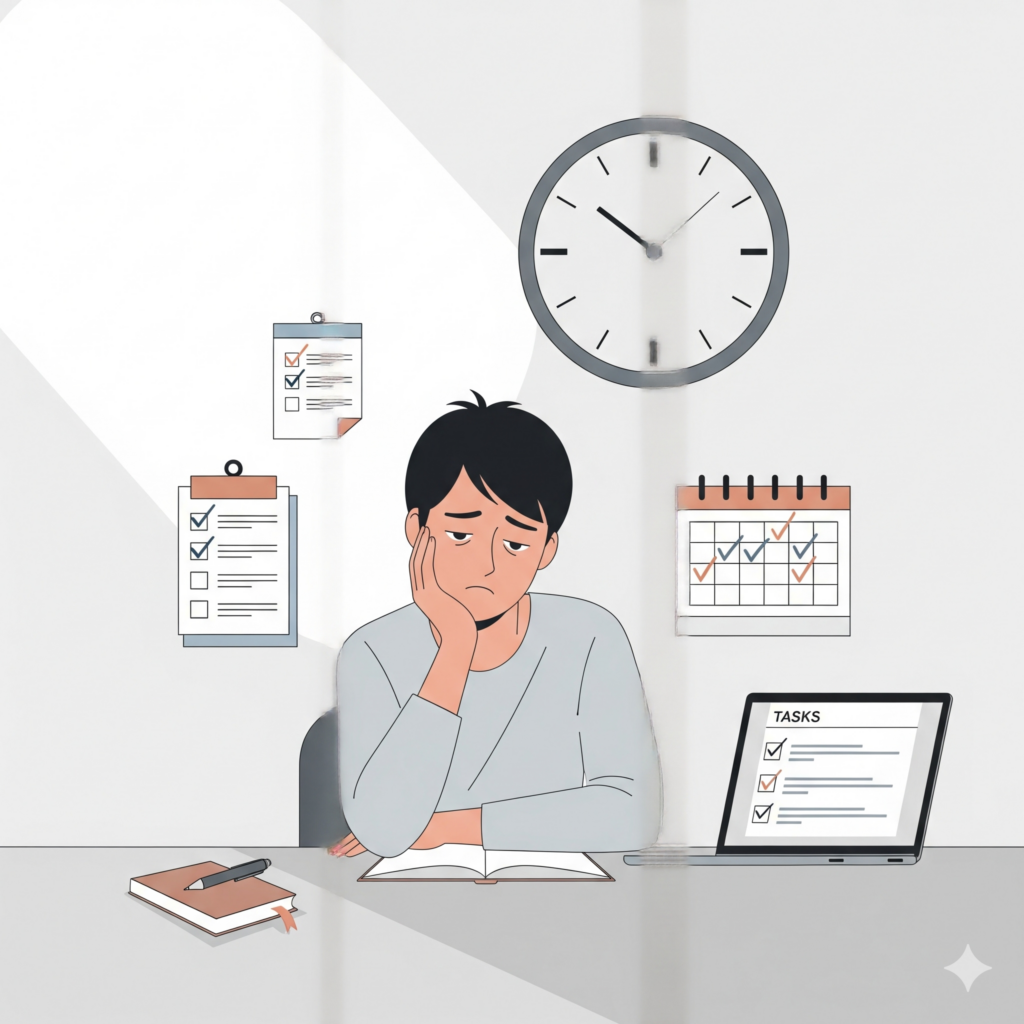
Most productivity advice sounds logical on the surface.
Wake up earlier. Plan your day. Eliminate distractions. Work harder.
Yet many people follow these tips faithfully and still feel stuck, exhausted, and inconsistent.
The problem isn’t discipline.
The problem is that most productivity advice ignores energy.
Productivity Is Not a Time Problem
Traditional productivity frameworks assume one thing:
that your energy is stable throughout the day.
It isn’t.
You don’t have the same mental clarity at 8 a.m. as you do at 3 p.m.
Your focus, motivation, and decision-making fluctuate constantly.
When advice treats all hours as equal, it sets you up to fail.
You can manage time perfectly and still perform poorly if your energy is depleted.
Energy Comes Before Discipline
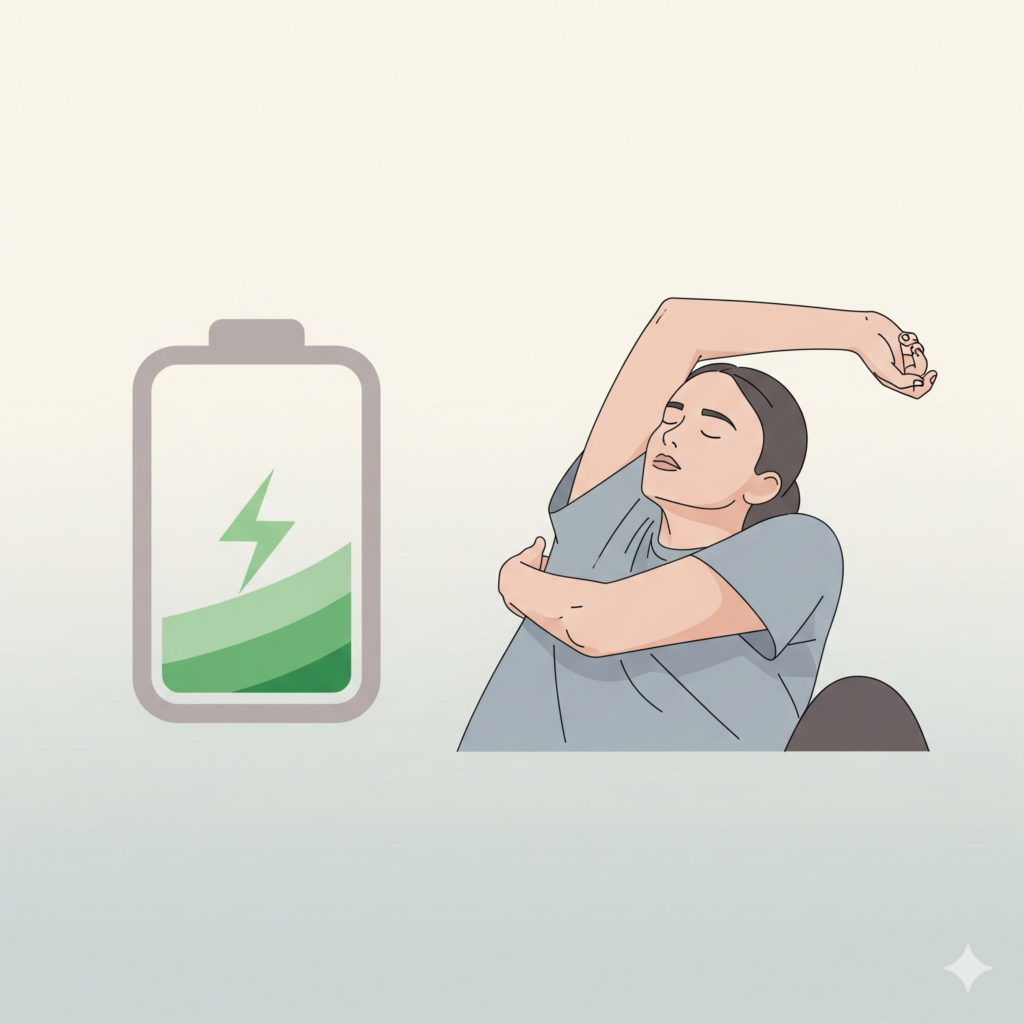
Discipline is often praised as the ultimate solution.
But discipline without energy becomes force.
And force is unsustainable.
Think about the days when productivity feels effortless.
You don’t need motivation tricks.
You don’t need willpower hacks.
You simply have enough physical and mental energy.
Energy doesn’t replace discipline — it enables it.
The Hidden Cost of Ignoring Energy
When energy is ignored, people blame themselves.
They think:
- “I’m lazy.”
- “I lack consistency.”
- “I need a better system.”
In reality, they’re often operating in a chronic state of low energy caused by:
- Poor sleep
- Constant cognitive overload
- No recovery time
- Unbalanced routines
No productivity system can compensate for that long-term.
Energy-Aware Productivity Works Differently

Productivity becomes sustainable when it adapts to your energy, not the other way around.
This means:
- Scheduling demanding tasks when your mental energy is highest
- Allowing recovery instead of pushing endlessly
- Designing routines that support focus instead of draining it
It’s less about doing more — and more about doing what matters when you’re capable of doing it well.
Why Simpler Systems Often Win
Many people fail not because systems are too simple, but because they’re too complex.
Energy-aware productivity favors:
- Fewer priorities
- Clear boundaries
- Realistic expectations
When your energy improves, consistency follows naturally.
Not perfectly.
But sustainably.
Some people explore adjustments to daily routines, nutrition, and overall energy management as part of a broader approach to productivity. Content discussing daily energy and wellness routines may be useful for those interested.
Rethinking What “Productive” Really Means
Productivity isn’t about squeezing output from every hour of the day.
It’s about creating conditions where meaningful work can happen regularly.
That requires respecting your limits — not fighting them.
When energy becomes the foundation, productivity stops feeling like a constant battle.
And starts feeling like progress again.
👉 If you want to understand how daily habits influence your energy levels, read:
What Really Improves Your Energy? (Without Going Extreme)