🌙 Introduction
Menopause is a natural and inevitable phase of every woman’s life — but it’s often misunderstood or even feared. Beyond being the end of fertility, menopause marks the beginning of a new stage filled with wisdom, transformation, and self-discovery.
In this article, we’ll explore what menopause really is, how to cope with its symptoms, and how lifestyle changes — along with the right support — can make this transition smoother and more empowering.
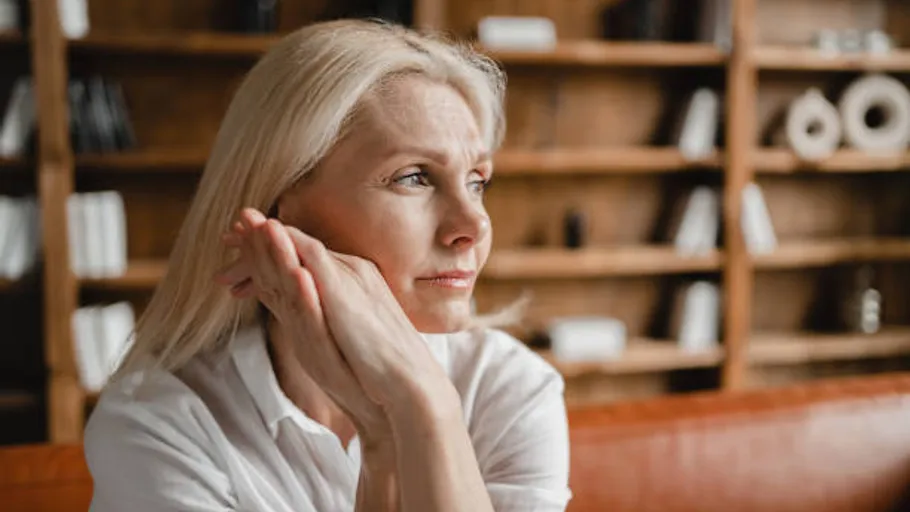
💡 What Is Menopause?
Menopause occurs when a woman hasn’t had a menstrual period for 12 consecutive months. It usually happens between the ages of 45 and 55, though it can occur earlier or later.
This transition is caused by a natural decline in estrogen and progesterone — hormones that play major roles in regulating mood, metabolism, and many other bodily functions.
🔥 Common Symptoms and Challenges
Every woman experiences menopause differently, but the most common symptoms include:
- Hot flashes and night sweats
- Mood swings, anxiety, or irritability
- Sleep problems and fatigue
- Weight gain or slowed metabolism
- Dry skin and hair changes
- Decreased libido
While these symptoms can be uncomfortable, understanding their causes makes them much easier to manage.
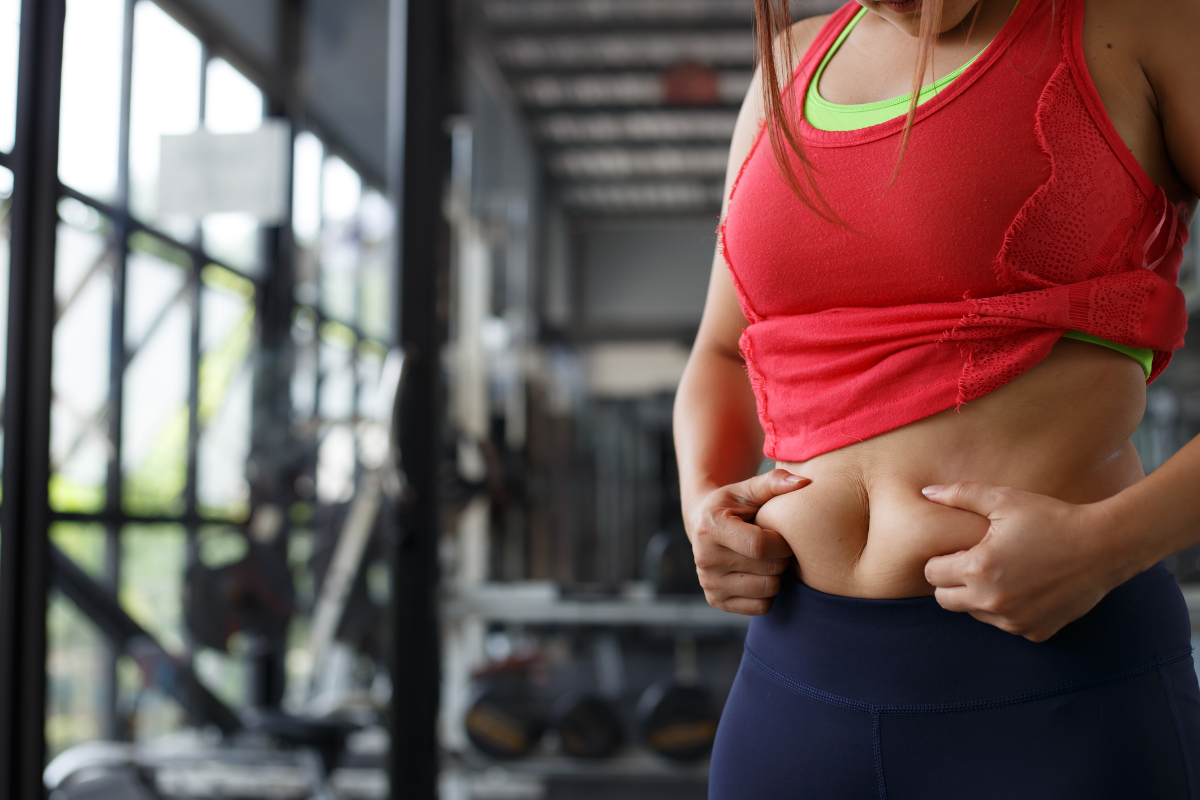
🌿 Practical Ways to Cope with Menopause
1. Adopt a Healthy Lifestyle
- Eat a balanced diet rich in whole foods, fruits, vegetables, and omega-3 fats.
- Stay active — combine cardio with strength training to boost metabolism and mood.
- Get quality sleep; establish a bedtime routine and avoid caffeine late in the day.
- Avoid triggers that worsen hot flashes: spicy foods, alcohol, and stress.
2. Focus on Emotional Well-being
- Talk about your experiences — sharing helps reduce stress and feelings of isolation.
- Practice mindfulness, meditation, or journaling.
- Seek therapy or join a support group if emotional changes feel overwhelming.
3. Consider Natural or Medical Support
- Some women benefit from hormone therapy — always consult your doctor.
- Explore natural supplements and lifestyle-based solutions.
- Choose trusted, research-backed products that align with your body’s needs.
Some women find additional relief by combining lifestyle changes with carefully selected, research-backed supplements designed to support hormonal balance and overall well-being during menopause.
If you’re looking for a natural option that focuses on symptom relief, hormonal support, and daily comfort, you can learn more about a menopause support supplement here.

Further Reading & Support
Menopause is a complex transition that affects physical, emotional, and mental well-being. For a deeper understanding of how lifestyle habits, stress management, and daily routines can support hormonal balance during this phase, explore our related content:
- How Lifestyle Habits Impact Long-Term Well-Being
- Building Sustainable Routines During Life Transitions
- Managing Energy and Sleep Changes Naturally
These articles expand on the concepts discussed here and offer practical, non-invasive strategies to navigate this stage with clarity and confidence.
Disclosure
This article may contain affiliate links. This means we may earn a commission at no extra cost to you if you choose to make a purchase through these links.
🌺 Conclusion
Menopause isn’t the end — it’s the beginning of a new, empowered stage of womanhood. It’s a chance to rediscover your body, prioritize your health, and nurture your emotional well-being.
At Last Pieces, we believe that every transition is an opportunity for renewal — and menopause is one of the most powerful. Embrace it, learn from it, and let it guide you toward a more balanced and confident version of yourself.