Tinnitus is the perception of ringing, buzzing, or noise in the ears without an external sound source.
While stress can worsen symptoms, it is rarely the only cause.
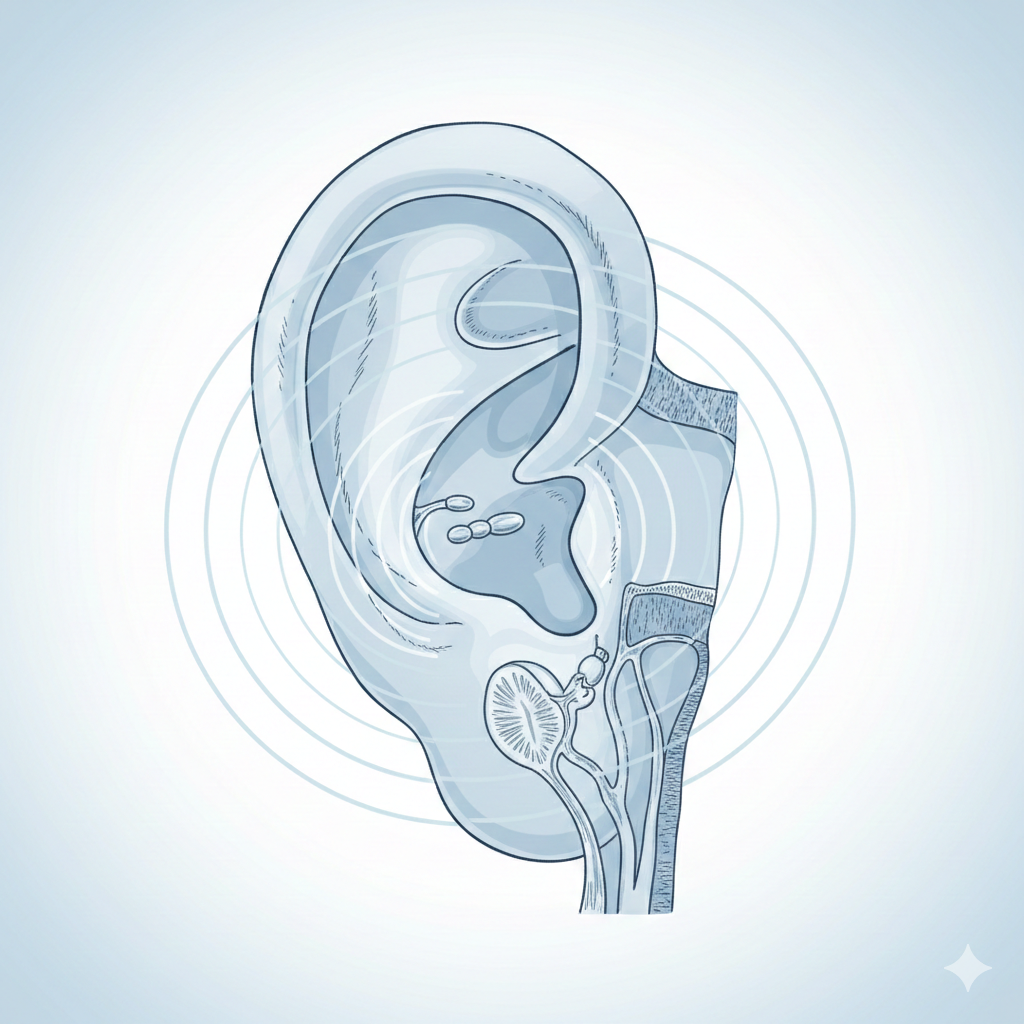
Tinnitus is the perception of ringing, buzzing, or noise in the ears without an external sound source.
While stress can worsen symptoms, it is rarely the only cause. Understanding the real causes of tinnitus is essential for proper management and for knowing when to seek professional medical evaluation.
For years, millions of Americans have been told the same thing about their tinnitus:
“It’s just stress — try to relax.”
But if that were true, the ringing would stop once you calmed down.
It doesn’t.
In fact, tinnitus affects nearly 1 in 3 Americans over 50, and new findings show that stress is only a surface-level trigger — not the real source of the problem.
Recent research suggests that tinnitus may start much deeper:
inside the auditory nerves, the inflammatory pathways, and the microcirculation that feeds the inner ear.
This means something big:
👉 If the root cause isn’t stress, then the solution also isn’t just meditation, white noise, or “learning to live with it.”
Let’s break down what science is uncovering — and what real people are doing to finally get relief.
What Modern Research Says: Tinnitus Starts in the Auditory Nerves — Not in the Mind
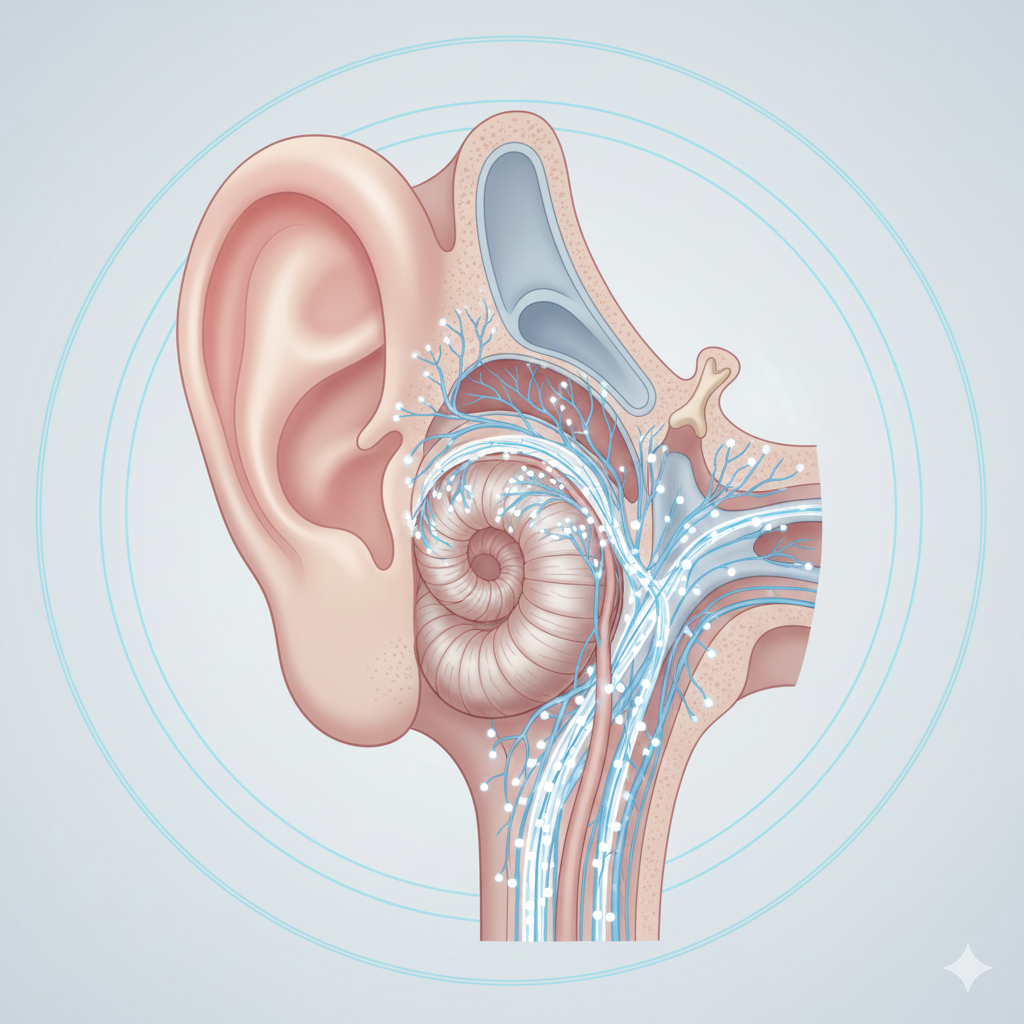
Tinnitus used to be labeled a “psychological response.”
Now we know that’s outdated.
Studies on neuro-auditory function show three core biological triggers:
1. Micro-inflammation in the auditory pathways
Inflammation disrupts how the ear and brain communicate.
When signals get misfired, the brain interprets the missing frequency as ringing, buzzing or hissing.
This explains why tinnitus often appears with age or after an illness — inflammation builds silently.
2. Reduced blood flow to the inner ear
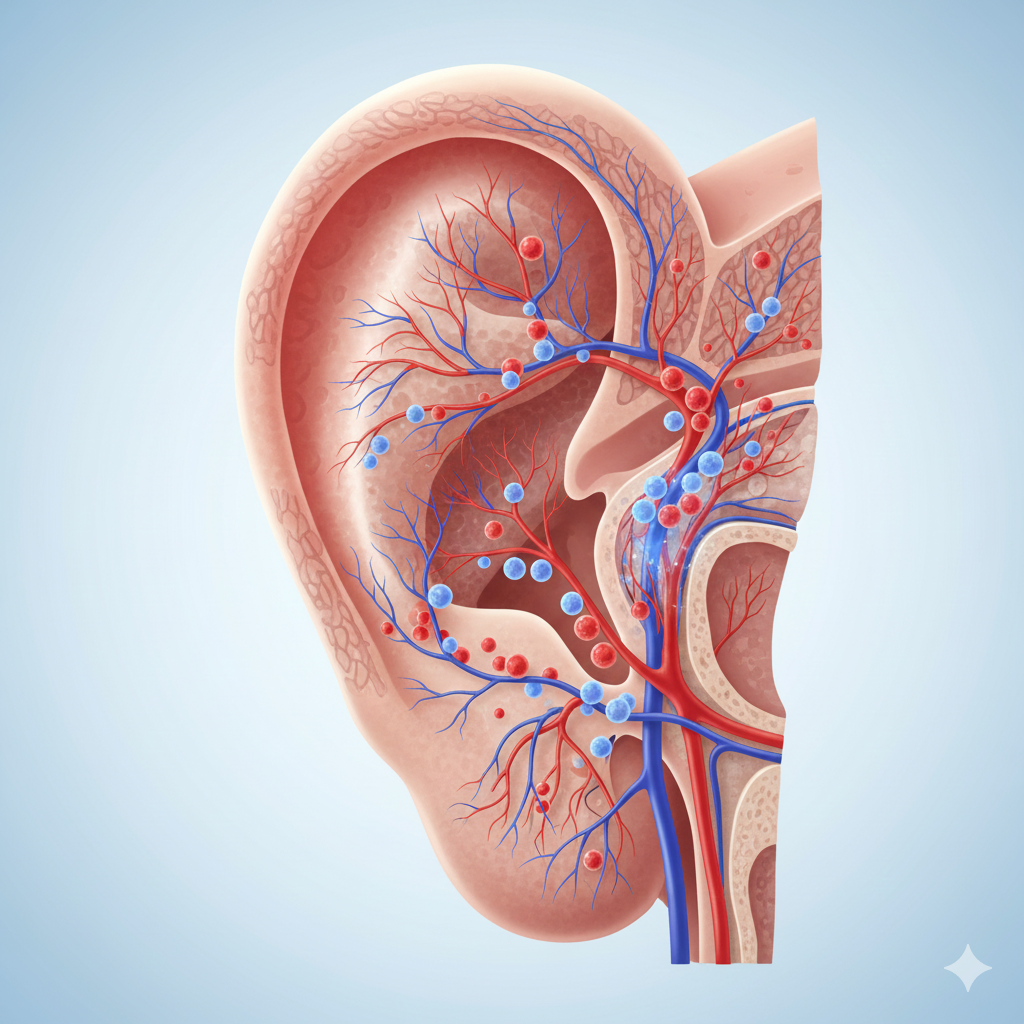
The cochlea needs a constant micro-circulation of oxygen and nutrients.
When circulation slows, the delicate hair cells stop functioning properly.
👉 This is why some people notice tinnitus more when lying down at night:
Blood pressure and circulation fluctuate.
3. Nerve damage from toxins, noise, or aging
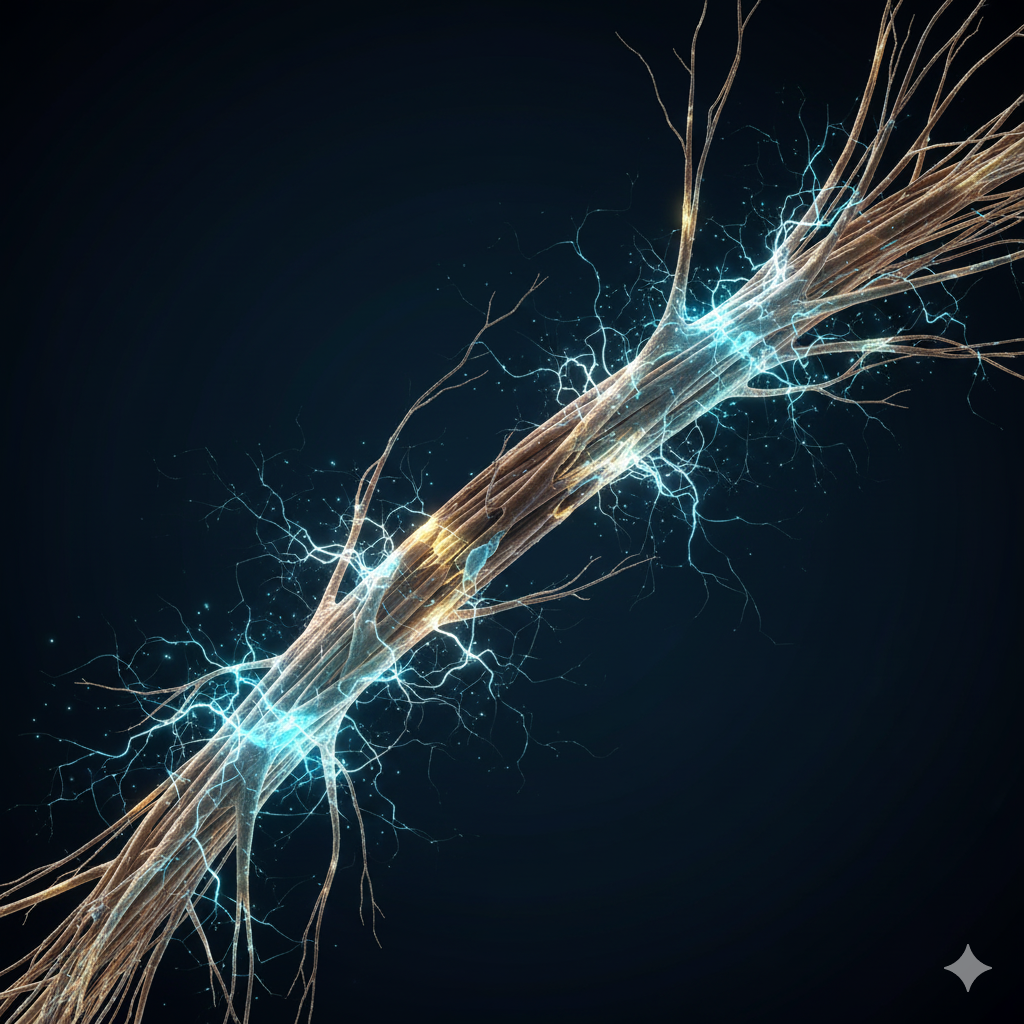
The auditory nerve can become overstimulated or damaged, sending “phantom signals” to the brain.
This leads to persistent noise even in complete silence.
So No — It’s NOT Just Stress
Stress may trigger tinnitus or make it louder, but it does not create the condition alone.
That’s why methods like:
- sound machines
- breathing exercises
- antidepressants
- sleep pills
…rarely give real relief.
They treat the experience, not the origin.
People want real solutions — not coping mechanisms.
The Approach That’s Getting Attention: Nutri-Auditory Support

Because tinnitus involves inflammation, circulation, and nerve signaling, researchers are studying natural compounds that target all three.
This is why many Americans are turning to nutritional formulations designed specifically for tinnitus, with ingredients such as:
- hawthorn & hibiscus (micro-circulation)
- motherwort (stress-induced vascular tension)
- garlic & juniper berry (inflammation)
- B vitamins (nerve protection)
One of the products gaining the most real-world traction right now is:
👉 Quietum Plus
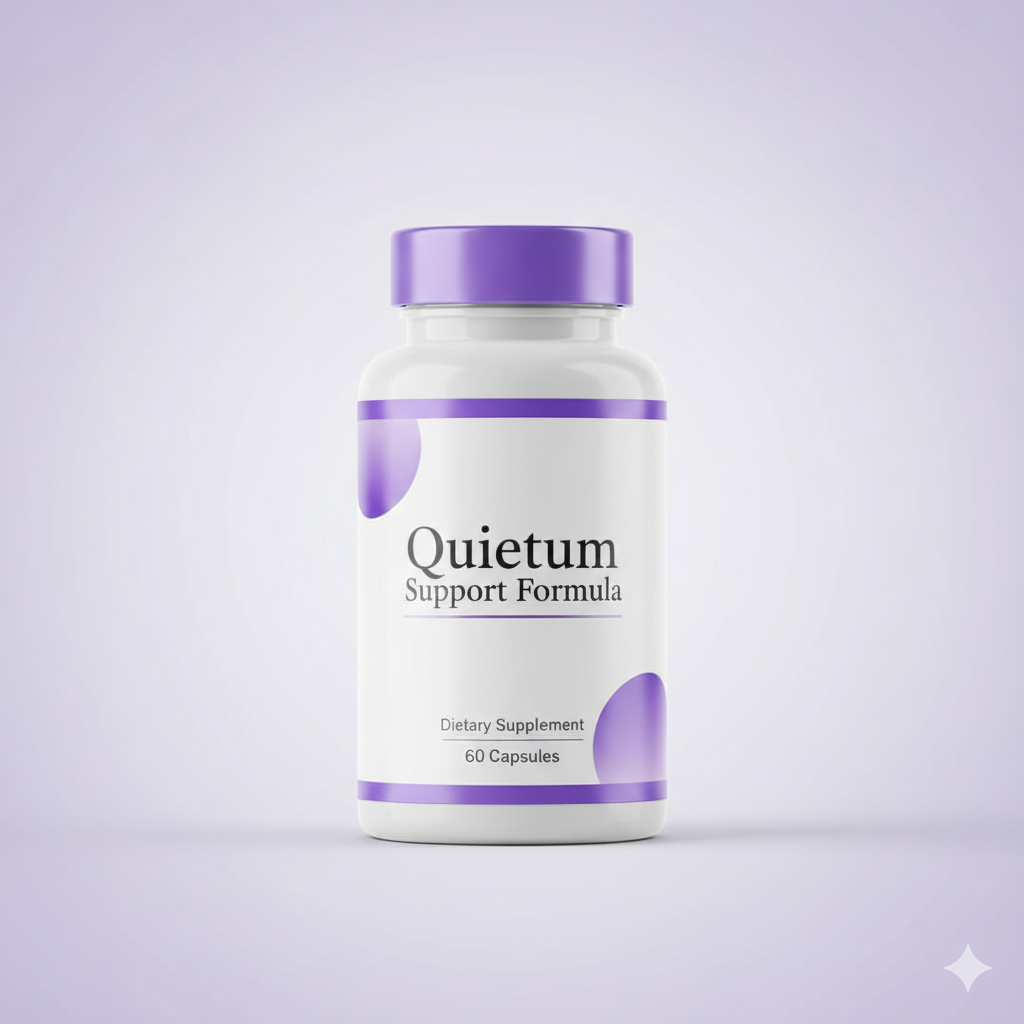
A natural formula designed to support auditory nerves and inner-ear function.
Users report improvements in:
- ringing intensity
- buzzing at night
- overall quietness
- sleep quality
- mental clarity
Click Here to Access Quietum Plus and See Today’s Exclusive Offers
Signs Your Tinnitus Has a Biological Root (Not Stress)
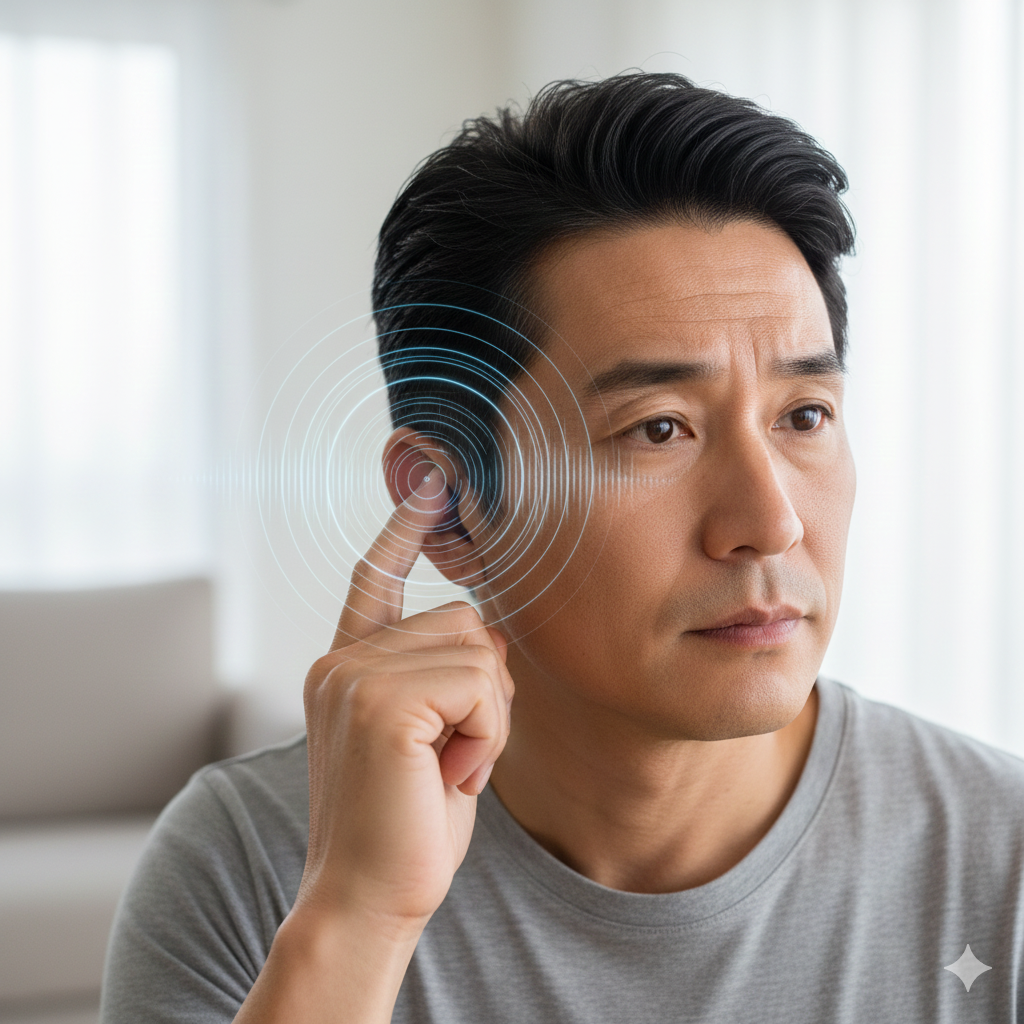
If you experience any of the following, the cause is likely physiological:
- ringing increases at night
- buzzing changes when you move your jaw
- noise gets louder after caffeine or alcohol
- it’s worse when you’re sick or congested
- one ear is louder than the other
- tinnitus appeared after noise exposure
- you are over 40
These are classic indicators of nerve and inner-ear pathways, not “mental tension.”
What You Can Do Starting Today

1. Reduce inflammation triggers
Avoid:
- excessive sugar
- alcohol
- smoking
- constant headphone use
2. Improve auditory blood flow
Walking 15–20 minutes a day already helps.
3. Support the auditory nerves
This is where formulations like Quietum Plus become especially effective..
Try Quietum Plus today and support the biological pathways behind tinnitus.
Final Thoughts: Relief Is Possible — When You Target the Actual Cause
Tinnitus may feel hopeless, but the science is moving fast.
The key is understanding one thing:
👉 It’s not “in your head.” It’s in your auditory system.
And when you address inflammation, circulation, and nerve health, many people finally notice the noise fading.