Hello, fellow journey-takers!
Have you ever started a new habit with the best intentions, only to find yourself falling off track a few days or weeks later? You’re not alone. Building lasting habits can feel like an uphill battle, but it doesn’t have to be.
At Last Pieces of the Day, we believe that small, consistent actions are the “last pieces” that complete your personal growth puzzle. Today, we’re diving into the science and strategy behind creating habits that don’t just start, but actually last.
The Power of Small Beginnings
One of the biggest mistakes we make is trying to change too much, too fast. Think of building a habit like building a muscle – you start with light weights, not the heaviest.
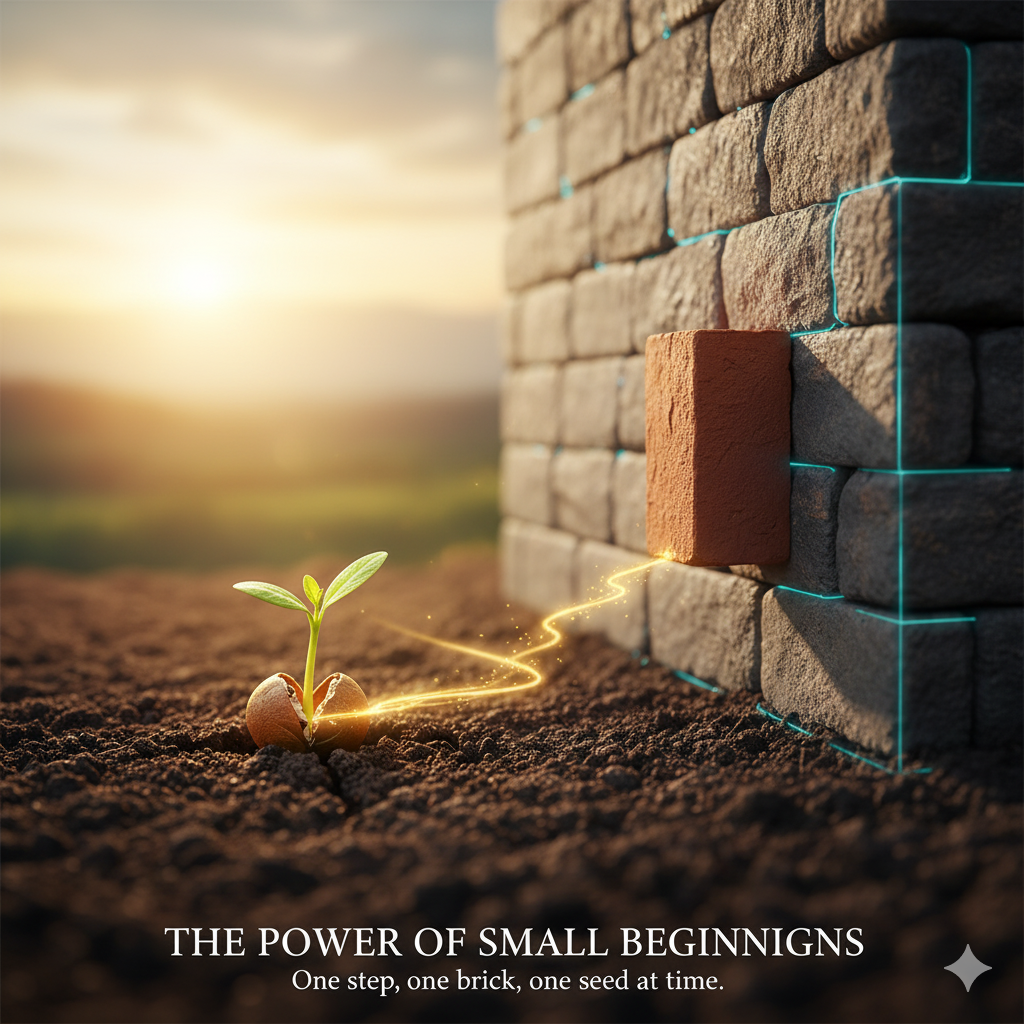
Instead of aiming for a monumental shift, break your desired habit into the smallest possible action. Want to read more? Don’t aim for an hour a day. Start with 5 minutes. Want to exercise? Start with 10 push-ups, or even just putting on your workout clothes.
Key Takeaway: Make it so easy that it feels almost ridiculous not to do it.
Identify Your Triggers and Cues
Every habit has a trigger – something that tells your brain, “It’s time to do X.” Understanding these cues is crucial. Are you trying to drink more water? Maybe the cue is finishing your morning coffee, or walking into the kitchen.

Before: What event or time reliably happens just before you want to perform your new habit?
- Location: Is there a specific place where this habit makes sense?
- Emotion: Are there certain feelings that can serve as a trigger?
By consciously pairing your new habit with an existing, reliable cue, you create a “habit loop” that makes the new behavior feel more natural.
The Art of Habit Stacking
This powerful technique, popularized by James Clear in “Atomic Habits,” involves linking a new habit to an existing one. It leverages the power of established routines.
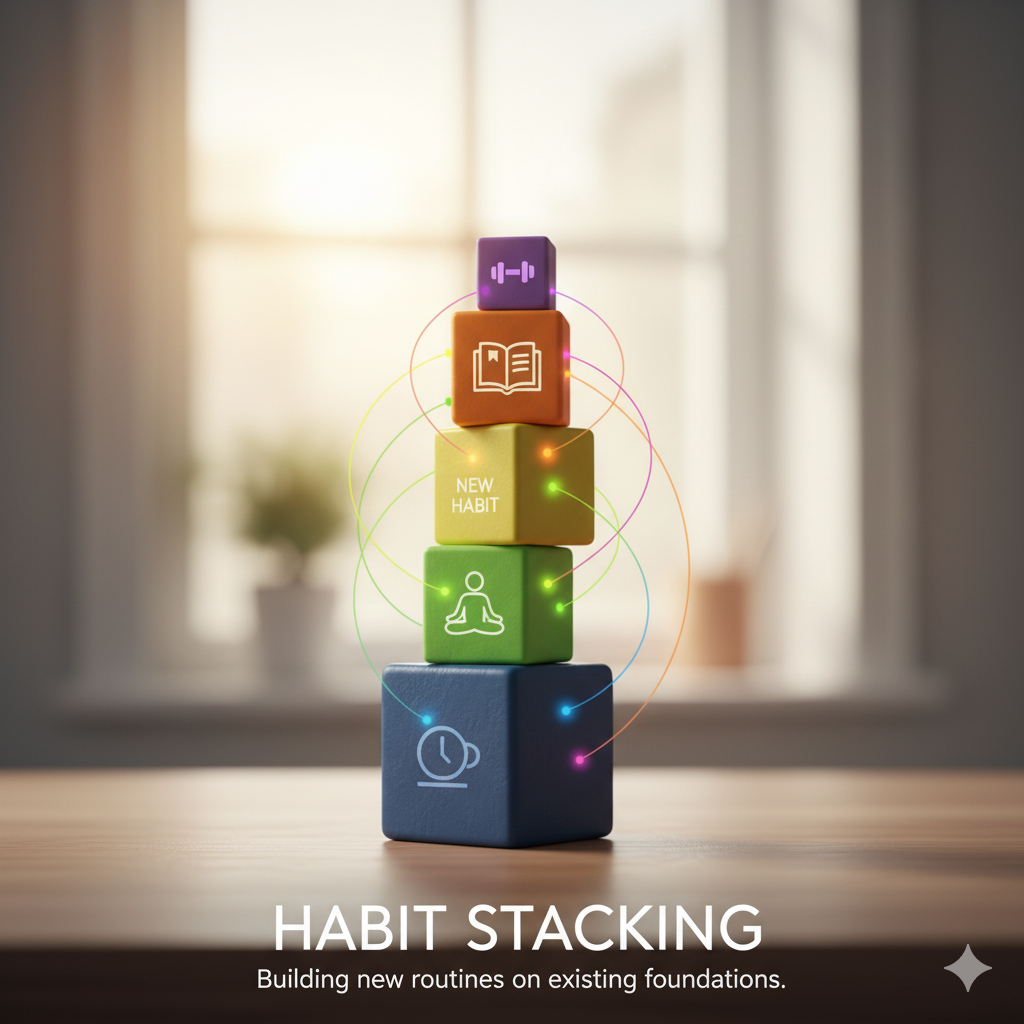
Formula: “After [CURRENT HABIT], I will [NEW HABIT].”
- Example 1: “After I finish my morning coffee, I will meditate for 5 minutes.”
- Example 2: “After I brush my teeth, I will do 10 squats.”
- Example 3: “After I get into bed, I will read one page of my book.”
This method creates an immediate cue for your new habit, reducing the mental effort required to start.
Reward Yourself (The Right Way)
Our brains love rewards. When you successfully perform a new habit, especially in the early stages, give yourself a small, immediate reward. This reinforces the behavior and makes your brain want to repeat it.

The reward doesn’t have to be big or unhealthy. It could be:
- Enjoying your favorite podcast for 10 minutes.
- Having a guilt-free moment of screen time.
- A mental “pat on the back” and acknowledging your effort.
The key is that the reward comes after the habit, creating a positive feedback loop.
Track Your Progress (Visual Momentum)
Seeing your progress is incredibly motivating. Whether it’s a simple X on a calendar for each day you complete your habit, a journaling entry, or an app that tracks your streaks, visual feedback reinforces your consistency.

Don’t break the chain! Missing one day isn’t the end of the world, but try not to miss two in a row. Get back on track as quickly as possible. This resilience is a habit in itself!
Overcoming Roadblocks and Relapses
Life happens. You’ll miss a day, or even a week. The most important thing is not to let one slip-up derail your entire effort.

- Forgive Yourself: Don’t beat yourself up.
- Recommit: Decide to start again immediately.
- Analyze: What caused the slip-up? How can you prevent it next time? Adjust your strategy if needed.
Remember, every expert was once a beginner who kept going.
Further Reading & Educational Context
Some readers choose to explore structured programs or books focused on habit formation and behavioral consistency. These resources are often discussed in educational contexts related to motivation, energy management, and behavior change.
This article focuses on the principles and research behind habit formation, encouraging readers to evaluate different approaches critically and choose what best aligns with their personal goals.
Your Turn!
What’s one habit you’re committed to building this week? Share your goals and strategies in the comments below! Let’s support each other on this journey to a more purposeful and productive life.